
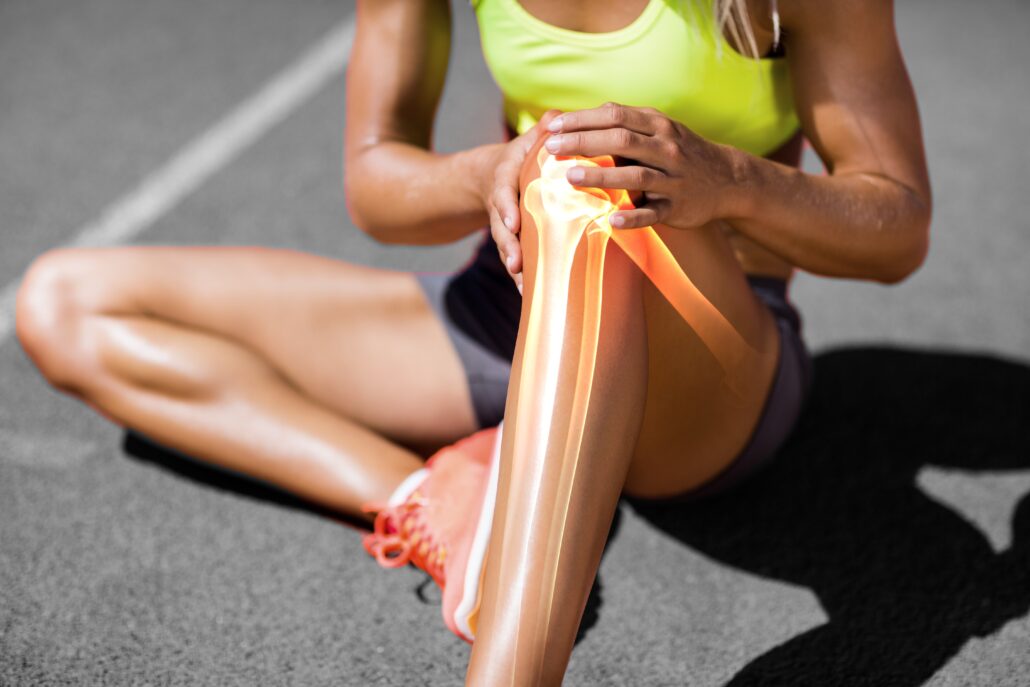
Returning to Sport After Injury
Recovering from a sports injury is not just about waiting for the pain to go away. Whether you play football, run, cycle, lift weights, swim, play tennis, or take part in regular fitness classes, returning too quickly can increase the risk of setbacks. Returning too cautiously, however, can leave you feeling stiff, weak, and unsure of what your body can handle.
The challenge is often finding the right middle ground. You want to keep moving, protect your recovery, and avoid losing fitness, but you also need to respect the healing process. A structured return to sport can help you rebuild strength, mobility, confidence, and control without placing unnecessary strain on the injured area.
At Crofton Healthcare, we help people understand not only what may be causing their pain, but also how to return to activity in a way that suits their body, lifestyle, and goals.
Why pain-free does not always mean fully recovered
Pain is one of the most obvious signs of injury, so it is natural to use it as a guide. If the pain has eased, many people assume they are ready to return to normal training. While pain reduction is a positive step, it does not always mean the injured tissues are fully prepared for sport.
After an injury, muscles can weaken, joints can feel stiff, balance can change, and movement patterns can become less efficient. You may also have lost confidence in the affected area, especially if the injury happened suddenly or during a particular movement. These factors can remain even when day-to-day pain has improved.
This is why returning to sport should be gradual. A knee that feels fine during normal walking may not yet be ready for sprinting, cutting, or jumping. A shoulder that feels comfortable during everyday tasks may still struggle with serving in tennis, swimming, or overhead gym work. A lower back that feels settled during rest may react when exposed to heavier lifting or repeated rotation.
Start with the demands of your sport
Every sport places different demands on the body. Running requires repeated impact and good tolerance through the feet, ankles, knees, hips, and lower back. Football and rugby involve acceleration, deceleration, twisting, contact, and sudden changes of direction. Tennis and squash combine rotation, lunging, quick reactions, and repeated arm movement. Gym training can involve heavy loads, repeated patterns, and technical movements that need good control.
Before returning, it helps to think about what your sport actually asks of your body. This makes recovery more specific. If you want to return to running, you need to rebuild impact tolerance. If you want to return to football, you need to regain confidence in turning, stopping, and changing direction. If you want to return to lifting, you need to restore technique, control, and strength under load.
This is where professional assessment can be useful. An osteopath can look at how the affected area is moving, how surrounding areas are contributing, and whether your body is ready for the next stage of activity. The aim is to bridge the gap between feeling better and being ready to perform. For people who feel stuck between basic recovery and a full return to activity, professional sports injury treatment can provide a clearer plan for progressing safely.
Build movement before intensity
A common mistake after injury is going straight back to the activity that caused the problem. Someone with a calf strain may rest for a week, feel better, and then return to the same running pace. Someone with shoulder pain may avoid the gym briefly, then restart their usual weights. This can lead to the same symptoms returning because the body has not been gradually prepared.
A better approach is to rebuild movement before intensity. This might mean starting with comfortable range of motion, gentle strengthening, and controlled activity before increasing speed, load, distance, or complexity. Progress does not have to be slow, but it should be measured.
For example, a runner may begin with walking, then short jog intervals, then longer continuous runs, then faster sessions or hills. A tennis player may start with mobility and light hitting before returning to full matches. A gym user may reduce weight, volume, or range temporarily while rebuilding control.
The important point is that each stage should feel manageable. If pain increases sharply, swelling returns, or symptoms are worse the next day, the body may not be ready for that level yet. The NHS guidance on sports injuries is a useful starting point for understanding common symptoms and when further advice may be needed.
Do not ignore strength and control
Sports injuries are not always caused by a single weak muscle, but strength and control often play an important role in recovery. When an area has been painful, the body may naturally protect it. This can reduce confidence, change how you move, and place more demand on surrounding tissues.
Rebuilding strength helps the body tolerate load again. Rebuilding control helps ensure that movement is efficient and balanced. For lower limb injuries, this may involve working on hip stability, calf strength, balance, and single-leg control. For upper limb injuries, it may involve shoulder blade control, upper back mobility, grip strength, and gradual loading through the arm.
The right exercises depend on the injury and the person. Generic advice can be useful, but it does not always account for your sport, your history, or how your body responds. That is why a tailored recovery plan can be helpful, especially when you are unsure whether discomfort is part of normal progression or a sign that the injury is not ready for more load.
Returning after a recurring injury
Recurring injuries can be especially frustrating. You may feel as though the problem settles, only to return as soon as training increases. This pattern is common with tendon pain, repeated calf or hamstring strains, ankle sprains, shoulder irritation, and lower back flare-ups.
When an injury keeps coming back, it is worth looking beyond the painful area. Training load, recovery time, technique, footwear, mobility, strength, posture, and previous injuries can all play a part. Sometimes the issue is not that the original injury failed to heal, but that the body has not regained enough capacity for the demands being placed on it.
This is particularly relevant for people who return to sport after a busy period, a holiday, an illness, or time away from exercise. Fitness can reduce faster than people expect, and returning at the same previous level may overload tissues that are no longer conditioned for that demand.
A structured plan helps you increase activity gradually and identify early warning signs before the injury fully returns.
The role of hands-on treatment during recovery
Hands-on treatment can be helpful when stiffness, muscle tension, joint restriction, or altered movement is affecting recovery. Osteopathic care may support the body by improving mobility, easing protective tension, and helping you move more comfortably while you rebuild activity.
Treatment is usually most effective when combined with advice and active rehabilitation. The goal is not simply to provide short-term relief, but to help you understand what your body needs and how to progress safely. This may include guidance on movement, stretching, strengthening, training modification, and recovery habits.
For some people, soft tissue work may also form part of recovery, particularly where muscle tension or stiffness is limiting movement. Crofton Healthcare has covered whether sports massage can help an injury in more detail, and massage therapy may also be considered alongside osteopathic care where appropriate.
Listen to symptoms without becoming fearful of movement
It is important to listen to pain, but it is also important not to become afraid of movement. After an injury, some people avoid activity for longer than necessary because they worry about making things worse. Others push too hard because they are frustrated by time away from sport. Neither approach is ideal.
A sensible recovery plan gives you a framework. Mild stiffness or awareness may sometimes occur as you return to activity, but sharp pain, increasing swelling, limping, weakness, or symptoms that worsen after each session should be taken seriously. The aim is to build confidence through gradual exposure, not to test the injury aggressively.
If the injury involves a suspected sprain or strain, the NHS advice on sprains and strains can help you recognise symptoms that may need medical attention. If you are unsure whether your symptoms are normal, it is better to get appropriate advice than to guess your way through recovery, especially if an injury is recurring, worsening, or affecting everyday movement as well as sport.
Make recovery part of your training routine
Returning to sport is not only about the injured area. Sleep, nutrition, hydration, warm-ups, rest days, and training variety all influence how well your body copes with activity. If your schedule is intense, your recovery needs to match it.
A warm-up should prepare the body for the activity ahead, rather than being treated as a formality. Strength work can help support joints and soft tissues. Mobility work can be useful where stiffness affects technique. Rest days allow the body to adapt, especially when training volume or intensity increases.
It is also worth reviewing patterns. If you always get injured when mileage rises, when matches become more frequent, or when gym loads increase, your body may be telling you that progression is too sudden. Small adjustments can make training more sustainable.
Crofton Healthcare also has guidance on supporting your recovery after injury, which sits naturally alongside a more specific return-to-sport plan. Recovery is rarely about one single change. It is usually the combination of sensible loading, good movement, appropriate rest, and the right advice that helps people return with more confidence.
Getting support with your recovery
If you are recovering from a sports injury and feel unsure about returning to exercise, professional guidance can help. You may not need to stop everything, but you may need to modify what you are doing, rebuild capacity, and address the factors that contributed to the injury in the first place.
Crofton Healthcare works with people who want to stay active, recover well, and return to the sports and activities they enjoy. Whether your goal is getting back to weekend football, completing a run, returning to the gym, or simply moving without worrying about another flare-up, a tailored assessment can provide a clearer route forward.
A good return to sport is not rushed, but it should not leave you stuck either. With the right balance of treatment, advice, and gradual progression, you can give your body the support it needs to recover with more confidence.


Leave a Reply
Want to join the discussion?Feel free to contribute!