
Sciatica Treatment Woking
At Crofton Healthcare, we understand the impact that sciatica can have on your daily life. Our team of experienced healthcare professionals in Woking is dedicated to providing comprehensive and effective treatments tailored to your individual needs. Sciatica can be a debilitating condition, but with the right treatment plan, you can alleviate pain and improve your overall quality of life. In this detailed overview, we will explore the nature of sciatica, its causes, symptoms, and the various treatment options available at Crofton Healthcare.
Understanding Sciatica
Sciatica is a term used to describe pain that radiates along the path of the sciatic nerve. This nerve branches from your lower back through your hips and buttocks and runs down each leg. Typically, sciatica affects only one side of the body. The pain associated with sciatica can be severe and can significantly impact mobility and daily activities. At Crofton Healthcare, we are committed to helping our patients understand this condition and find the best treatment approach.


Causes of Sciatica
Several conditions can cause sciatica, and understanding these can help in finding the most effective treatment. One of the most common causes is a herniated disc. This occurs when the soft inner gel of a spinal disc leaks out and irritates the surrounding nerves, leading to inflammation and pain. Spinal stenosis, which involves the narrowing of the spinal canal, can also compress the nerves and result in sciatica. Degenerative disc disease, a condition where the discs deteriorate over time, can cause excessive micro-motion at the spinal level and inflammation, contributing to sciatic pain. Piriformis syndrome is another condition that can lead to sciatica. The piriformis muscle, located in the buttocks, can irritate the sciatic nerve if it spasms or becomes tight. Additionally, spondylolisthesis, a condition where a vertebra slips forward over the one below it, can pinch the nerve roots and cause sciatica. At Crofton Healthcare, our approach involves identifying the underlying cause of sciatica to provide targeted and effective treatment.
Symptoms of Sciatica
Sciatica can manifest in various ways, and the symptoms can vary from person to person. Common symptoms include persistent pain in the lower back that radiates down through the buttock and into the leg. This pain can range from a mild ache to a sharp, burning sensation. Numbness and tingling in the affected areas are also common, and some individuals may experience a loss of sensation or a tingling feeling in the leg or foot. Muscle weakness is another symptom associated with sciatica. The leg muscles affected by the condition may become weak, making it difficult to perform everyday activities. Pain during movement is a significant concern for those with sciatica. Activities like walking, standing, or sitting for long periods can exacerbate the pain, leading to further discomfort and limitations. At Crofton Healthcare, our goal is to alleviate these symptoms and improve our patients’ mobility and quality of life.


Diagnosis of Sciatica
At Crofton Healthcare, diagnosing sciatica involves a comprehensive assessment to understand your symptoms and their impact on your life. Our diagnostic process begins with a thorough medical history review, where we discuss your symptoms, their duration, and any underlying health issues that may be contributing to the condition. This helps us gain a clear understanding of your overall health and the potential causes of your sciatica. A physical examination is a crucial part of the diagnostic process. During the examination, we assess your muscle strength, reflexes, and ability to perform certain movements. This helps us identify any abnormalities or weaknesses that may be contributing to your symptoms. In some cases, we may recommend imaging tests such as X-rays, MRI, or CT scans to get a detailed view of your spine and identify any structural issues that may be causing your sciatica. These tests provide valuable information that helps us develop an accurate diagnosis and a tailored treatment plan.
Treatment Options for Sciatica
At Crofton Healthcare, we offer a range of treatment options for sciatica, tailored to meet the unique needs of each patient. Our approach is holistic and multidisciplinary, focusing on both alleviating pain and addressing the underlying causes of the condition. One of the primary treatment options we offer is physical therapy. Physical therapy involves specific exercises and stretches designed to improve flexibility, strengthen the muscles supporting the spine, and reduce pressure on the sciatic nerve. Our experienced physiotherapists work closely with patients to develop individualised exercise plans that promote healing and prevent future episodes of sciatica. Medication can also play a role in managing sciatica. Over-the-counter pain relievers such as ibuprofen or acetaminophen can help reduce inflammation and alleviate pain. In some cases, stronger prescription medications may be necessary. These medications can provide more significant pain relief and help manage severe symptoms. At Crofton Healthcare, we carefully evaluate each patient’s condition and medical history to determine the most appropriate medication regime.


Non-Surgical Treatments
In addition to physical therapy and medication, we offer other non-surgical treatments such as osteopathy, chiropractic care and acupuncture. Chiropractic care involves spinal adjustments and manipulations to improve spinal alignment and reduce nerve irritation. Our skilled chiropractors use gentle techniques to alleviate pain and promote healing. Acupuncture, an ancient Chinese practice, involves inserting thin needles into specific points on the body to stimulate healing and relieve pain. This treatment can be particularly effective for managing chronic pain and reducing inflammation. For patients with severe or persistent sciatica that does not respond to conservative treatments, surgical options may be considered. Surgical intervention is typically reserved for cases where there is significant nerve compression or structural abnormalities that require correction. Common surgical procedures for sciatica include micro-discectomy, which involves removing part of a herniated disc to relieve pressure on the nerve, and laminectomy, which involves removing part of the vertebra to create more space for the nerves. Our team of specialists will discuss all available treatment options with you and help you make an informed decision about the best course of action.
Post-Treatment Care and Rehabilitation
At Crofton Healthcare, we believe that post-treatment care and rehabilitation are essential components of a successful recovery from sciatica. After the initial treatment phase, our team works closely with patients to develop a comprehensive rehabilitation plan that promotes long-term health and prevents future episodes of sciatica. This plan may include ongoing physical therapy, lifestyle modifications, and education on proper body mechanics and posture. Ongoing physical therapy is crucial for maintaining the benefits of treatment and preventing recurrence. Our physiotherapists provide patients with tailored exercise programs that focus on strengthening the core muscles, improving flexibility, and enhancing overall spinal health. Regular exercise can help reduce the risk of future sciatic episodes and improve overall well-being.


Managing Sciatica Pain
Lifestyle modifications play a significant role in preventing and managing sciatica. We provide patients with guidance on maintaining a healthy weight, as excess weight can place additional stress on the spine and exacerbate sciatica symptoms. We also offer advice on ergonomic practices for work and daily activities, such as proper lifting techniques and maintaining good posture, to reduce the risk of injury and strain on the spine. Education is a key component of our post-treatment care approach. We empower patients with the knowledge and tools they need to take an active role in their recovery and long-term health. This includes information on how to recognise early signs of sciatic flare-ups, strategies for managing pain and discomfort at home, and tips for maintaining a healthy lifestyle.
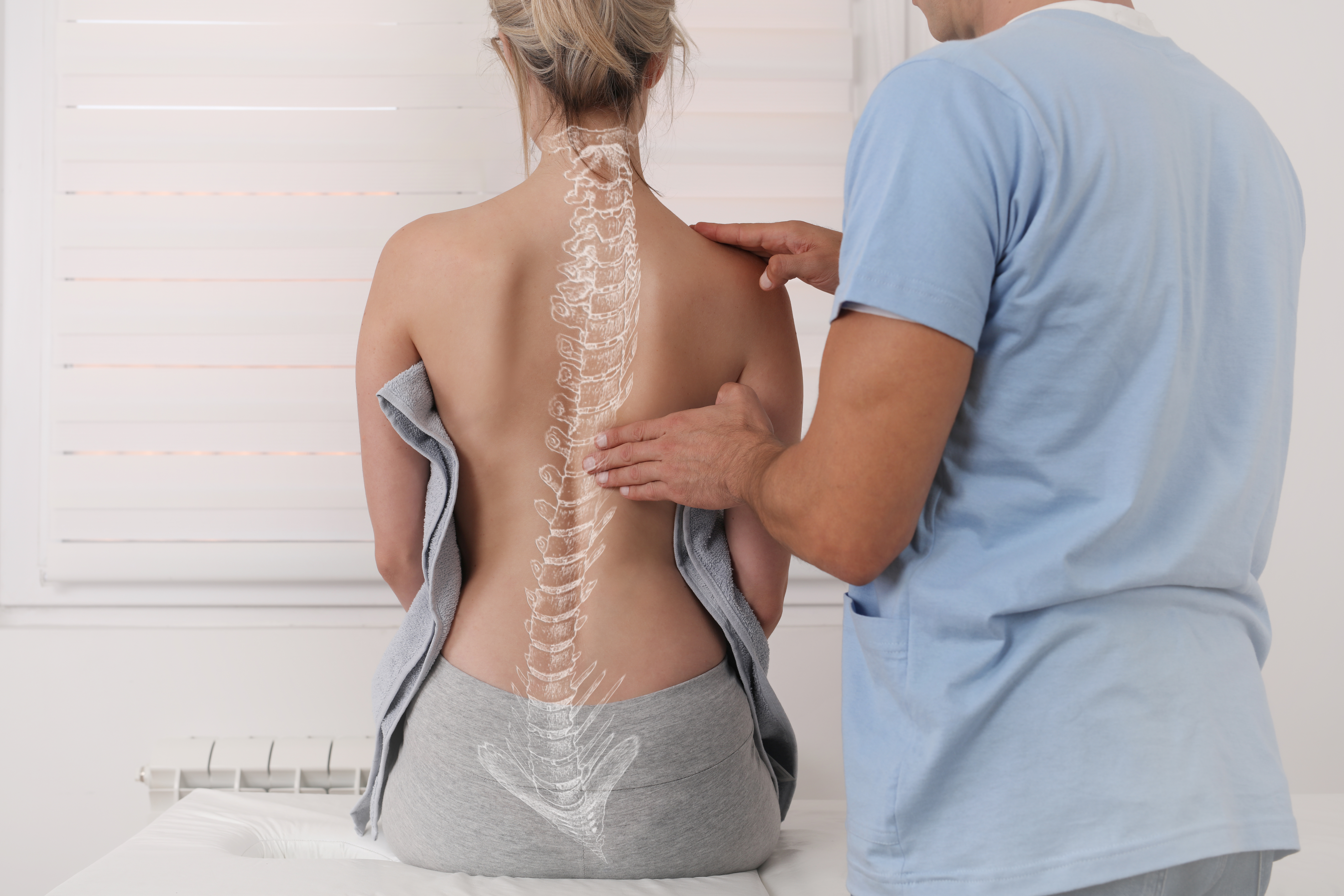

Why Choose Crofton Healthcare for Sciatica Treatment in Woking?
At Crofton Healthcare, we are committed to providing the highest quality of care for patients suffering from sciatica in Woking. Our team of experienced healthcare professionals is dedicated to helping you achieve relief from pain and improve your quality of life through personalised, evidence-based treatment plans. We understand that every patient is unique, and we take the time to listen to your concerns, assess your condition, and develop a tailored treatment approach that meets your specific needs. Our multidisciplinary team includes physiotherapists, chiropractors, pain management specialists, and surgeons, all working together to provide comprehensive care. This collaborative approach ensures that you receive the most effective and appropriate treatments for your condition. We utilise the latest techniques and technologies to deliver high-quality care and achieve the best possible outcomes for our patients. Patient satisfaction is our top priority. We strive to create a welcoming and supportive environment where you feel comfortable and confident in your care. Our team is always available to answer your questions, address your concerns, and provide the support you need throughout your treatment journey. We are dedicated to helping you achieve lasting relief from sciatica and improve your overall quality of life.
Contact Crofton Healthcare Today
If you are suffering from sciatica and are looking for effective treatment options in Woking, look no further than Crofton Healthcare. Our team of experienced healthcare professionals is here to help you find relief from pain and improve your quality of life through personalised care. Contact us today to schedule a consultation and take the first step towards a pain-free future. At Crofton Healthcare, we are committed to helping you live your best life, free from the limitations of sciatica. Let us help you regain your mobility and enjoy a higher quality of life through comprehensive and compassionate care. We can also help with back or neck pain.
Sciatica Woking – Frequently Asked Questions
What is sciatica and how can it affect my daily life?
Sciatica refers to pain that travels along the path of the sciatic nerve, which runs from your lower back, through your hips and buttocks, and down each leg. Typically affecting one side of the body, sciatica can cause severe pain, numbness, and muscle weakness, significantly impacting daily activities and mobility. At Crofton Healthcare, we aim to alleviate these symptoms through personalized treatment plans, improving your quality of life and helping you regain function and comfort in your daily routine.
What are the common causes of sciatica?
Sciatica can result from several conditions that irritate or compress the sciatic nerve. Common causes include herniated discs, spinal stenosis (narrowing of the spinal canal), degenerative disc disease, piriformis syndrome, and spondylolisthesis (slipping of a vertebra). Understanding the underlying cause is crucial for effective treatment. At Crofton Healthcare, we conduct thorough assessments to identify the root cause of your sciatica and tailor a treatment plan to address it, ensuring optimal relief and recovery.
What symptoms should I look for if I suspect I have sciatica?
Symptoms of sciatica can vary but often include persistent pain in the lower back that radiates down through the buttock and into the leg, ranging from mild aches to sharp, burning sensations. Numbness, tingling, and muscle weakness in the affected leg are also common. These symptoms can worsen with movement, making activities like walking, standing, or sitting challenging. If you experience these symptoms, the team at Crofton Healthcare can help diagnose your condition and develop a comprehensive treatment plan.
How is sciatica diagnosed at Crofton Healthcare?
Diagnosing sciatica at Crofton Healthcare involves a detailed assessment of your medical history and a physical examination to evaluate muscle strength, reflexes, and movement abilities. We may also use imaging tests such as X-rays, MRI, or CT scans to get a clear view of your spine and identify any structural issues causing your symptoms. This thorough diagnostic process helps us develop an accurate diagnosis and a personalised treatment plan tailored to your specific needs.
What treatment options are available for sciatica at Crofton Healthcare?