
What Will The Osteopath Do On My First Visit?
Osteopathy is an increasingly popular treatment for those suffering from musculoskeletal discomfort, including back pain, neck pain, sciatica, and sports injuries. It takes a holistic approach to healthcare, aiming not only to treat symptoms but also to identify and address the root causes of pain and dysfunction. Whether you are seeking treatment for a specific condition or looking for ways to improve mobility and overall well-being, your first visit to an osteopath will involve a detailed assessment and a personalised treatment plan. Understanding what to expect can help ease any concerns and ensure you make the most of your appointment.
The Initial Consultation: A Thorough Health Assessment
Your first visit will begin with an in-depth consultation where the osteopath will ask about your medical history, lifestyle, and the symptoms you are experiencing. They will want to know how long you have had the issue, whether certain activities make it worse, and if you have noticed any patterns in your pain or discomfort. For example, individuals suffering from sciatica may describe a sharp, radiating pain that extends down the leg, while those with neck pain might report stiffness and headaches that worsen after long hours at a desk. The osteopath will also ask about previous injuries, surgeries, and any underlying health conditions that may be relevant to your treatment. This holistic approach ensures they consider your overall health rather than just focusing on the specific pain or discomfort you are experiencing.
Physical Examination: Understanding Your Movement and Posture
After gathering information about your medical history and symptoms, the osteopath will conduct a physical examination. This will involve assessing your posture, mobility, and range of motion. You may be asked to stand, walk, or perform certain movements while the osteopath observes how your body functions. They will gently palpate (feel) different areas of your body to identify points of tension, stiffness, or misalignment. For conditions such as back pain or sports injuries, the osteopath may focus on the spine, hips, and joints to detect areas of restricted movement or muscular tightness. If you are experiencing neck pain or headaches, they may examine the alignment of your cervical spine and surrounding muscles. The goal of this assessment is to pinpoint the underlying cause of your symptoms rather than simply treating the area of discomfort.



Hands-On Treatment: The Osteopathic Approach
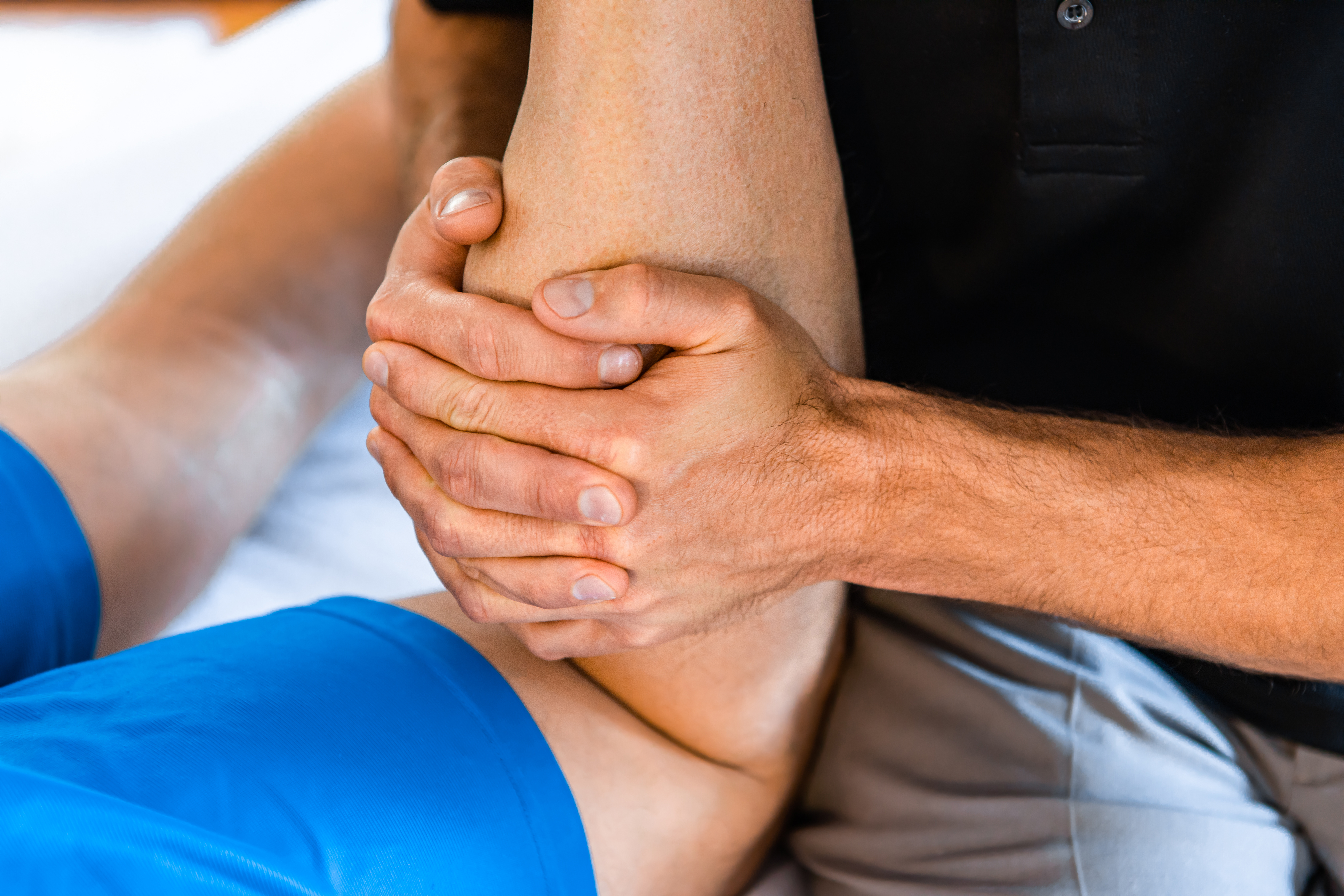
One of the key aspects of osteopathy is its hands-on approach to treatment. After completing the assessment, the osteopath will typically begin with gentle manual therapy techniques designed to improve mobility, relieve tension, and enhance circulation. If you are suffering from back pain, for example, the osteopath may use a combination of soft tissue massage, joint mobilisation, and stretching to release tight muscles and restore movement. Those with sciatica might receive targeted treatment to relieve pressure on the sciatic nerve, often by working on the lower back, pelvis, and surrounding muscles. For individuals with neck pain, the osteopath may use techniques such as gentle stretching and joint articulation to improve mobility and reduce stiffness. Cranial osteopathy, a more subtle approach that involves gentle manipulation of the skull and spine, may also be used, particularly for those who suffer from headaches or stress-related tension.
How Will It Feel?
Osteopathic treatment is generally gentle and non-invasive, but some people may experience mild discomfort, particularly if their muscles and joints are tight or inflamed. This is similar to the feeling after a deep tissue massage or a good stretch, and it is a sign that the body is responding to the treatment. Some patients feel immediate relief, while others may notice improvements gradually over the following days. It is also common to experience mild soreness after the first session, as the body adjusts to the changes made during treatment. This usually resolves within 24 to 48 hours. Drinking plenty of water and staying active with gentle movement can help ease any post-treatment soreness.
Discussing a Treatment Plan
At the end of your session, the osteopath will discuss their findings and outline a personalised treatment plan based on your needs. This may include recommendations for follow-up appointments, as well as advice on posture, stretches, and lifestyle changes that can support your recovery. For some conditions, such as minor sports injuries or acute back pain, a few sessions may be sufficient to resolve the issue. For chronic conditions or long-standing problems, a longer-term approach may be necessary. The osteopath may also offer guidance on how to prevent future issues, such as adjusting your workstation if poor posture is contributing to neck pain, or incorporating strengthening exercises to support your spine.

When Will You See Results?
The speed at which osteopathy works varies depending on the individual and the nature of their condition. Some people experience immediate relief after the first session, while others notice gradual improvements over the course of several treatments. Conditions such as acute muscle strains or mild joint stiffness may respond quickly, whereas chronic conditions like sciatica or long-term postural issues may require more time and consistent treatment. It is important to follow the osteopath’s advice and complete the recommended course of treatment for the best results. In some cases, they may suggest combining osteopathy with other therapies, such as physiotherapy or Pilates, to support rehabilitation and long-term health.
Preparing for Your First Visit
To make the most of your first osteopathy appointment, it is helpful to wear comfortable clothing that allows for easy movement. The osteopath may ask you to remove certain items of clothing, particularly if they need to assess your back, neck, or limbs. If you feel more comfortable, you can bring shorts or a vest top to wear during the examination. Bringing any relevant medical records, scans, or test results can also be useful, especially if you have an ongoing condition that has been previously assessed by a doctor or specialist. This information can help the osteopath gain a clearer understanding of your medical history and tailor their approach accordingly.
Conclusion
Your first visit to an osteopath is a comprehensive and personalised experience that goes beyond simply treating symptoms. By taking the time to understand your medical history, assess your posture and movement, and apply hands-on treatment, the osteopath aims to restore balance and function to your body. Whether you are seeking relief from back pain, neck pain, sciatica, or a sports injury, osteopathy provides a holistic approach that focuses on both immediate relief and long-term well-being. While some people experience noticeable improvements after just one session, others may require a series of treatments to achieve the best results. The key is consistency and following the osteopath’s guidance, both during and between appointments. By working together with your osteopath, you can take proactive steps towards reducing pain, improving mobility, and enhancing your overall quality of life.
To find out more, contact the team of experts in osteopathy, massage and injuries at Crofton Healthcare.

